What months are best for tree trimming?
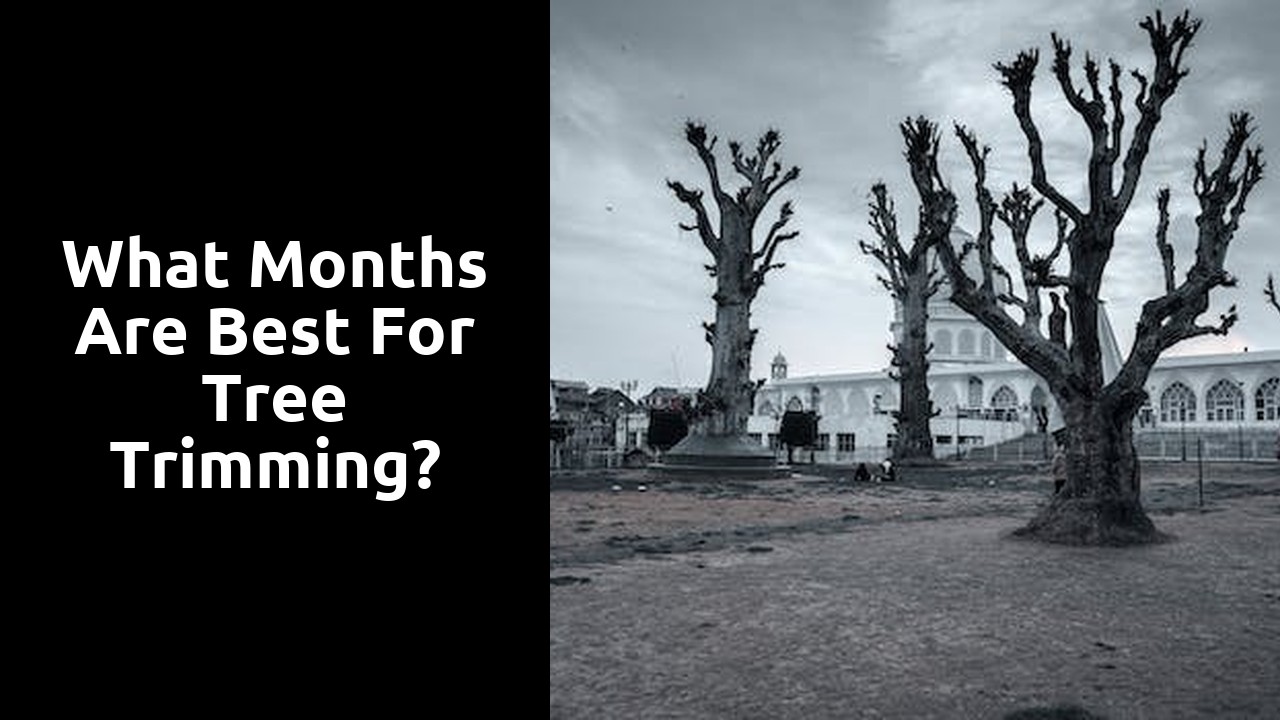
The Optimal Time to Trim Your Trees
When it comes to trimming your trees, timing is essential. The optimal time for tree trimming depends on various factors, including the type of tree and the desired outcome. In general, it is recommended to trim trees during their dormant season, which is usually in late winter or early spring. During this time, the tree is less likely to experience stress and can heal more quickly.
Trimming trees during their dormant season also helps to minimize the risk of disease and pest infestation. When the leaves have fallen and the tree is in a state of rest, it is easier to see the structure of the tree and identify any dead or damaged branches that need to be removed. Additionally, the colder temperatures during the dormant season can discourage the growth of fungi and insects that may cause harm to the tree. By trimming your trees at the optimal time, you can enhance their overall health and promote better growth in the long run.
Understanding the Ideal Season for Tree Trimming
Understanding the ideal season for tree trimming is crucial for maintaining the health and aesthetics of your trees. While it may be tempting to trim trees at any time of the year, there are specific seasons that are more optimal for this task. In general, it is recommended to trim deciduous trees during their dormant period, which is typically in late winter or early spring. During this time, the trees are not actively growing, making it easier to identify and remove dead or diseased branches. Trimming during the dormant period also promotes faster healing and minimizes the risk of disease transmission.
On the other hand, evergreen trees can be trimmed throughout the year, but it is still important to consider the specific species and climate conditions. For example, if you have pine or spruce trees, it is best to schedule their trimming in late winter or early spring, similar to deciduous trees. This timing allows the trees to recover and grow new branches before the onset of summer heat or winter frost. However, if you have evergreen trees such as junipers or cedars, it is recommended to trim them in late spring or early summer, as this is when they are actively growing and can heal more quickly. By understanding the ideal season for tree trimming, you can ensure that your trees thrive and flourish throughout the year.
Enhancing Tree Health: The Best Time to Trim
The health and well-being of your trees greatly depend on the timing of their trimming. While it may be tempting to prune them whenever convenient, there are specific periods that are considered the best for tree trimming. These optimal times not only promote tree health but also contribute to their overall growth and longevity. Understanding the best time to trim can help you maximize the benefits while minimizing any potential risks or negative consequences.
One of the ideal periods for tree trimming is during the dormant season, which typically occurs in late winter to early spring. During this time, trees are in a state of rest, and their sap flow is minimal. This makes it easier to trim branches and reduce the risk of excessive bleeding or damage to the tree. Additionally, the absence of leaves allows for a better view of the tree's structure and enables a more precise and strategic pruning approach. Trimming during the dormant season also promotes faster healing and minimizes the chances of disease or insect infestation.
Unlocking the Secrets of the Perfect Tree Trimming Timing
Proper timing plays a crucial role in achieving the perfect tree trimming results. Understanding the ideal time to trim your trees can significantly enhance their overall health and appearance. While different types of trees may require specific trimming periods, there are some general guidelines that can help ensure success.
In general, it is recommended to trim your trees during their dormant season. For most tree species, this typically occurs during the late winter or early spring. Trimming during this time allows the tree to recover and heal before the active growing season begins. Additionally, trimming during the dormant season helps to minimize the risk of disease or pest infestations that can be attracted to open wounds. By following these guidelines and unlocking the secrets of perfect tree trimming timing, you can maximize the growth and vitality of your trees.
Exploring the Most Suitable Months for Tree Pruning
When it comes to tree pruning, timing is everything. Understanding the most suitable months for tree pruning can ensure the health and growth of your trees. Generally, the optimal time for pruning trees is during their dormant season, which typically occurs in late winter to early spring. During this time, the trees are less likely to be harmed by the pruning process and can heal wounds more effectively.
Pruning during the dormant season also allows for better visibility of the tree's structure, as the leaves have fallen. This makes it easier to identify dead or diseased branches that need to be removed. Additionally, pruning during the dormant season minimizes the risk of spreading diseases or attracting pests, as they are less active during this time. By exploring the most suitable months for tree pruning and understanding the benefits of pruning during the dormant season, you can ensure the well-being and vitality of your trees.
Maximizing Tree Growth with Strategic Trimming Periods
The growth and development of trees can greatly benefit from strategic trimming periods. By carefully timing the pruning of trees, property owners can maximize their growth potential and enhance their overall health. While there is no one-size-fits-all approach to tree trimming timing, understanding the needs of each specific tree species is key in achieving optimal results.
In general, it is recommended to conduct trimming activities during the dormant season, which typically occurs during late winter or early spring. During this time, trees are less likely to experience stress from the trimming process, as they are not actively growing or producing foliage. Moreover, trimming during the dormant season allows for better visibility and access to the tree's structure, enabling arborists to make more precise cuts and promote healthy growth. By strategically timing tree trimming, property owners can ensure that their trees receive the care they need to thrive and flourish.
FAQS
When is the best time to trim my trees?
The optimal time for tree trimming depends on the type of tree. However, in general, dormant seasons such as late winter and early spring are considered the best time for trimming.
Why is late winter or early spring the ideal time for tree trimming?
Trimming during the dormant season allows the cuts to heal before the growing season begins. It also minimizes the risk of diseases and pest infestations.
Can I trim my trees during summer or fall?
While it's not ideal, certain trees can be trimmed during summer or fall. However, it's advisable to avoid trimming during hot and dry periods as it can stress the trees.
Are there any trees that should not be trimmed during late winter or early spring?
Yes, some trees, like spring-blooming species, such as cherry or magnolia trees, should be pruned immediately after they finish blooming in order to preserve their flowering potential for the following year.
Can I trim my trees during the winter?
It is generally recommended to avoid trimming during the winter months, especially during freezing temperatures, as it can cause more harm than good.
Is it necessary to prune my trees every year?
Not all trees require annual pruning. Some trees may only need trimming every few years to maintain their shape and health. It is best to consult with a professional arborist to determine the specific needs of your trees.
What are the signs that indicate my tree needs pruning?
Signs include dead or diseased branches, crossing or rubbing branches, excessive growth, or branches obstructing structures or walkways.
Can I trim my trees myself, or do I need professional help?
Small pruning tasks can be done by homeowners, but for larger trees or complex pruning, it is recommended to seek professional assistance. Improper pruning techniques can harm the tree and pose safety risks.
How can tree trimming benefit the overall health of my trees?
Proper trimming can improve air circulation, allow more sunlight to reach the tree canopy, and promote healthy growth. It can also help remove diseased or damaged branches and reduce the risk of falling limbs.
Are there any regulations or permits required for tree trimming?
Depending on your location, there may be specific regulations or permits for tree trimming. It is advisable to check with your local authorities or consult a professional arborist to ensure compliance with any requirements.
Related Links
Tree Pruning and TrimmingHow much does it cost to trim a tree in Melbourne?
What is the average cost of tree trimming in my area?
Which Australian standard deals with correct pruning of trees?
How much does it cost to remove when pruning?
How much does it cost to cut down a tree in Australia?
How much of a tree can be trimmed?
How do you prune a tall tree?
How do you prune a deciduous tree?
How much does it cost to cut a tree in Australia?
How much does it cost to prune a tree in Melbourne?
What to do with cut down trees?